
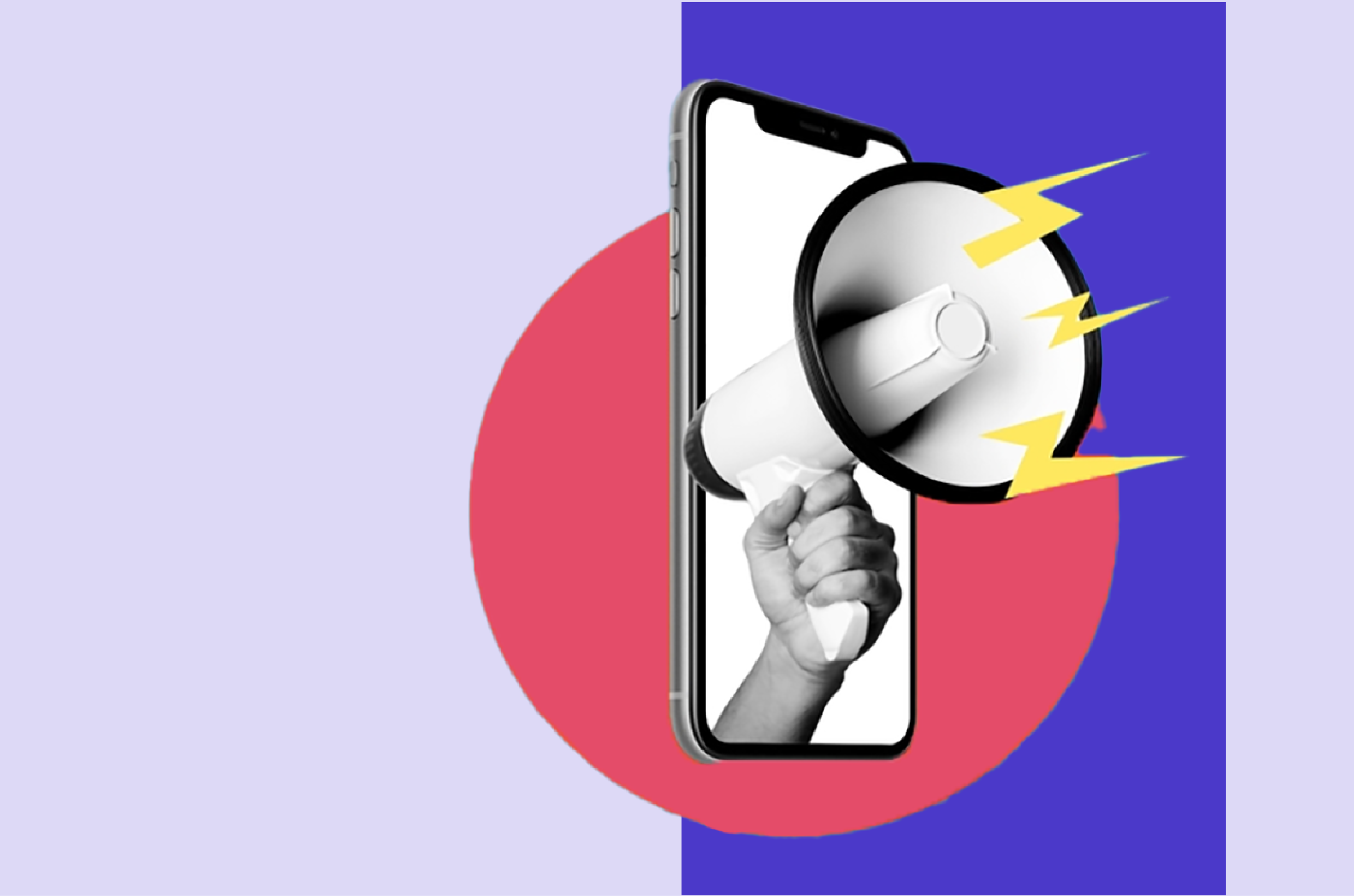
As days go by, the digital market is seeing significant growth in the strategies within its domain. The two most important aspects are getting a brand noticed and building a loyal customer base. I know this is a tough one, but it calls for high-quality, engaging, and encouraging content. In digital marketing, content distribution has become an essential part.
Just as the saying goes, “Content is king, but Distribution is queen,” a well-organized and well-thought-out content distribution strategy can help you overcome challenges. Without working on the distribution aspect of the content, it is like yelling in an empty room; it does not make any sense because the demographics that it was targeted are not reaching out for it.
Well-crafted content needs its audience to drive the value. Content distribution helps prevent your content from disappearing from the digital world. So the question arises, ‘How can you refine content distribution?’ And that is exactly what this blog will tell you. Let’s jump in.
Content Distribution Strategy – Why do we need it?
The action of promoting and disseminating content to the intended demographics through various social media methods and channels is content distribution. The channel that you choose develops a connection to your desired audience, which allows them to interact and learn about your services, brand, products, etc. who ideally become a customer.
It does not matter what the content is the distribution aspect always happens after you have created the content. Distribution requires a detailed plan for publishing and promoting, which helps in fun-tuning it for the specific channels. An effective strategy amplifies the content’s impact and makes it more visible and accessible.
The reasons why you must invest in content distribution are
- Avoiding effort wasted
- Competitive edge
- More Traffic
- Excelling customer relationships
- Building online audience and authority
7 Steps to Get Ahead In the Game – Content Distribution
To make your content distribution enhanced and effective you need to follow some basic but key steps. These steps work for any kind of content you create so let’s explore these major aspects.
- Analyze your Content
The first step is crucial, auditing your content would make it easier to determine:
- The type of content, target audience, and the current distribution channels
- It will give you an insight into your successful content, which you can use to your advantage
- Similarly, you can take notes of the ones that did not cater to the targeted audience
These action steps for auditing will give a deep insight into your content, which will help you understand the strengths and areas for improvement. This is a great starting point that will pave the way for the incoming content and audience.
- Set Clear Goals
Setting and aiming for some goals is important. It is important to make sure that you use the correct keywords, target audience, and distribution. Along those lines you need to question these things:
- What kind of traffic you want?
- Do you want to drive more traffic?
- Are you looking to increase your brand exposure?
Once you have outlined your vision, you might want to set clear KPIs (Key Point Indicators) to track the progress. To be more specific you can write down your primary and secondary objectives and define the KPIs for each. Establishing SMART (Specific, Measurable, Attainable, Relevant) techniques to set goals is efficient.
- Understand Your Targeted Demographics
Understanding and identifying your targeted and ideal audience is a key to successful content distribution strategy. It is important to note the audience’s:
- Preferences, habits, and pain points ( you don’t want to make them turn away from the content)
- What do they prefer Blogs, videos, or podcasts?
- What is the Gen-Z using? Social media, forum blogs?
- What problems are they facing? Is your content of any help?
To go through each of these questions you might to develop a robust buyer persona, which can encapsulate the ideal customer that your services want to attract. The persona must be developed after a thorough survey, research, and analysis, which can help guide content creation and distribution.
- Select Relevant Channels
Once you have a deep insight into your demographics you need to familiarize yourself with the channels that your audience prefers. There are various distribution channels which are generally classified into two types, free channels and paid channels let break them down.
Paid Channel:
Paid channels often have a set budget, which can be used for PPC advertising (Pay-Per-Click), sponsored posts, or even paid influencer marketing. Using them wisely by knowing what kind of audience they attract may help you reach a significantly large audience.
Free Channel
Although free channels do not cost any money it requires time and effort. These channels are often your owned website, blog newsletter, or even shared channels like social media, guest blogging, or SEO. The key aspect is to aim for a combination that suits your content type, targeted audience, and business objectives.
- Build a Shareable Content
The heart of effective content distribution lies in the craft of
- Creating and building engaging, high-quality shareable content. Which means that
- Messaging has to be on-point, engaging, and value packed, since
- Content distribution is not just about getting your content published but also engaging the audience with it.
The aim should be on storytelling and visual enhancements which increase engagement.
- Organized, Consistent Content Calendar
An organized and consistent editorial calendar helps you to organize content distribution. It effectively maps out what content is being shared, how, where, and when. It ensures consistent posting and alignment across different channels. You can streamline the distribution process by simply, planning and tracking timelines.
For this, you can start by developing a detailed editorial calendar with timelines, content types, channels, follow-ups, and the publish date. Remember ‘Consistency is key’ in this strategy.
- Track and Analyze Your Performance
Track your KPIs by regularly monitoring them to assess your distribution strategy’s success. Analyzing the metrics like engagement rate, traffic, and communication will give an insight to figure out what is working out for your services and where you need adjustments. This is the last step as this will help you set the tone for the next ones.
Using tools like Google Analytics, Hub Spot and Semrush can help you track KPIs, which can help in making data-driven adjustments to improve strategies according to the trends.
Wrapping Up – Amplify Your Content Reach
An efficient and effective content distribution strategy revolves around thoughtful planning and consistent efforts. Analyzing your audience, choosing the right channels, and crafting effective and engaging messages while maintaining a well-structured calendar will give you a solid foundation for long-term success. Refining, researching, and tracking KPIs, make content relevant impactful, and trendy which means they can connect the younger or older generations. With all the steps that we discussed today, you can improve your content distribution amplifying the visibility and maximizing the engagement. Embrace this proactive and effective approach and watch as your content grows steadily.